
You are allocating a quarter-million dollars in capital for an elite undergraduate experience.
The narrative?
Your student steps onto the quad, crushes their internships, and graduates magna cum laude. Mic drop.
The reality?
The modern campus is a high-stakes pressure cooker for anxiety, depression, and executive dysfunction. The university cartel is exceptional at selling a luxury brand, but their mental health infrastructure is fundamentally broken. If you treat your child’s mental health as an afterthought, you are grossly mismanaging your most valuable asset.
Here is the unvarnished truth on engineering a bulletproof mental health strategy for your high-achiever.
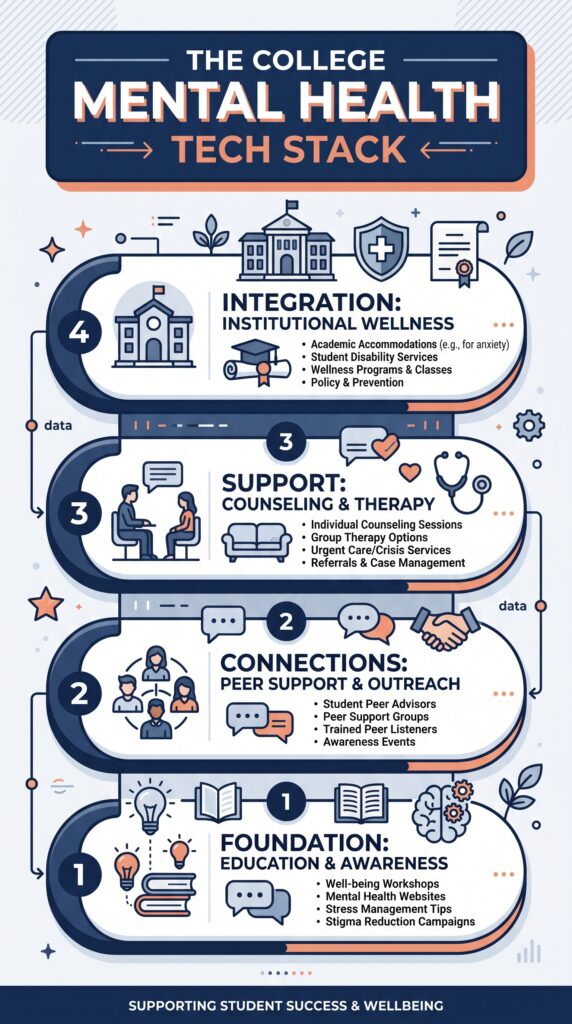
The Campus Reality vs. The CAPS Illusion
Universities love to market their multi-million-dollar wellness centers. The frontline, in addition to faculty in the classroom, is CAPS (Counseling and Psychological Services). It is a fantastic resource…for basic triage.
- The Benefit: It is baked into tuition, on-campus, and highly effective for acute, low-level stress. If your kid goes through a bad breakup, CAPS is a great stopgap.
- The Limitation: It is the psychological equivalent of an urgent care clinic. The reality at most elite institutions is a four-to-six-week waitlist followed by a brief-therapy model (capped at 6-8 sessions). If your student has complex ADHD, chronic anxiety, or needs consistent executive functioning scaffolding, CAPS is mathematically incapable of providing the necessary dosage of care.
The Legal Moat: FERPA and HIPAA
This is the most unsexy, critical advice I offer: the minute your child turns 18, the university views you as an ATM, not a legal guardian. Because of FERPA (academic records) and HIPAA (medical records), if your student has a crisis, the school and hospital legally cannot tell you anything. You will be locked out of the command center. Secure the perimeter by getting these waivers signed before the car is packed for move-in day.
The Digital Supplement: Mental Health Apps
We live in an era of digital therapeutics. Apps like Calm or Headspace are excellent for baseline emotional regulation and sleep hygiene. But let’s be clear about their utility: they are vitamins, not painkillers. For high-achievers facing severe academic burnout, an app is insufficient. Use tech as a supplement, not the foundation.
Premium Asset Allocation: Concierge Support
High-achieving students require high-fidelity support. You wouldn’t rely on a public defender for a complex corporate merger; do not rely on an overtaxed university clinic for your child’s brain. Securing bespoke clinical consulting and counseling before the semester starts provides a dedicated quarterback who understands the neurobiology of young adults and the mechanics of university accommodations. This kind of concierge care travels with them, ensuring uninterrupted, private support.
Actionable Optimization List
- Execute Legal Waivers: Sign FERPA and HIPAA release forms prior to college orientation to ensure parental access during medical or academic emergencies.
- Audit CAPS Limitations: Identify the university’s Counseling and Psychological Services (CAPS) crisis hotline, but expect 4-6 week waitlists and session caps.
- Establish Concierge Care: Retain a specialized private counselor or clinical consultant for executive functioning and anxiety management prior to the fall semester.
- Deploy Digital Therapeutics: Integrate evidence-based apps (Calm, Headspace) for daily sleep hygiene and baseline stress management.
- Define a Crisis Protocol: Establish a clear communication hierarchy involving campus police, local hospitals, and your private clinical consultant.
Semesters are defined by the first two weeks. Good luck.